Ellis Simmons · 4 October 2026
Tracing the Footprints of Search Engine Crawlers Through Changing Domain Configurations
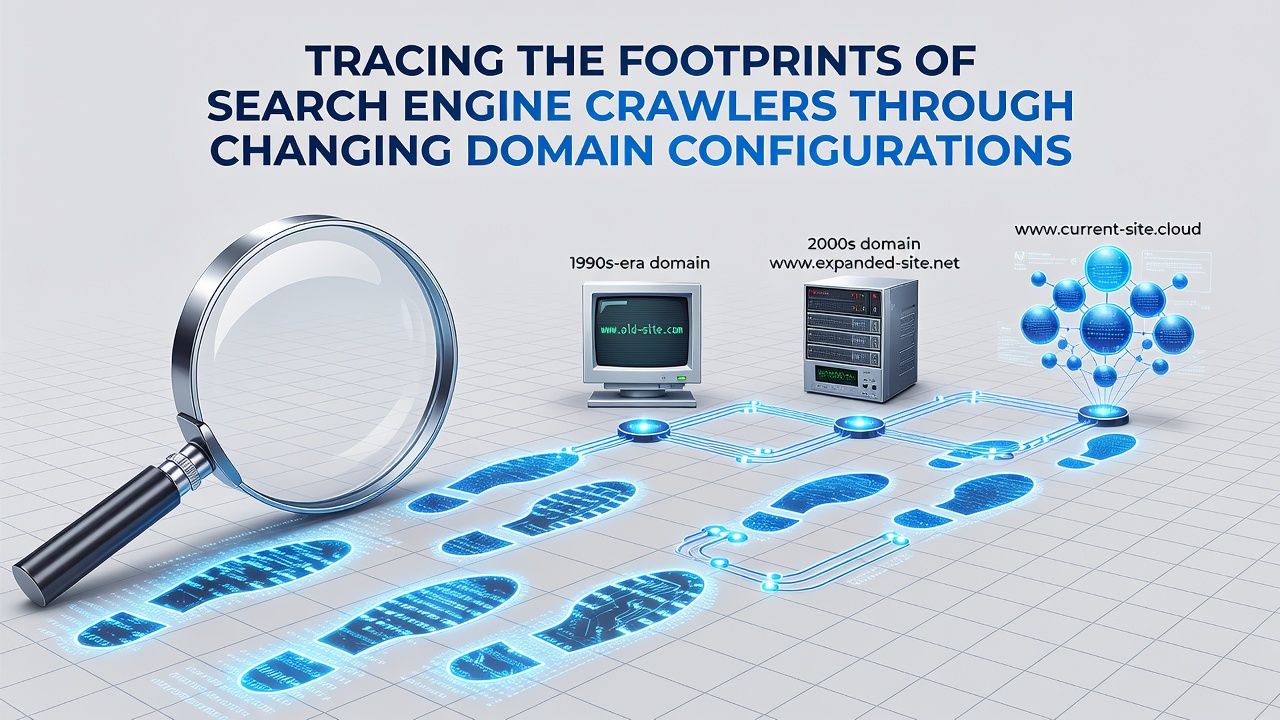
Search engine crawlers follow specific pathways when domain configurations shift, and those pathways leave detectable traces in server logs and indexing reports. Domain changes occur through registrar transfers, DNS record updates, or full site migrations, each one altering how bots like Googlebot or Bingbot reach and evaluate content. Observers note that these alterations create patterns in crawl frequency, error codes, and redirect chains that technical teams can map over time.
Crawler Detection of Configuration Shifts
Domain name system updates trigger a sequence where authoritative name servers propagate new IP addresses or canonical records, and crawlers respond by re-evaluating the host. Studies from internet measurement projects show that propagation delays range from minutes to forty-eight hours depending on time-to-live values set in zone files. During this window bots may encounter both old and new records, which leads to mixed crawl attempts recorded in access logs.
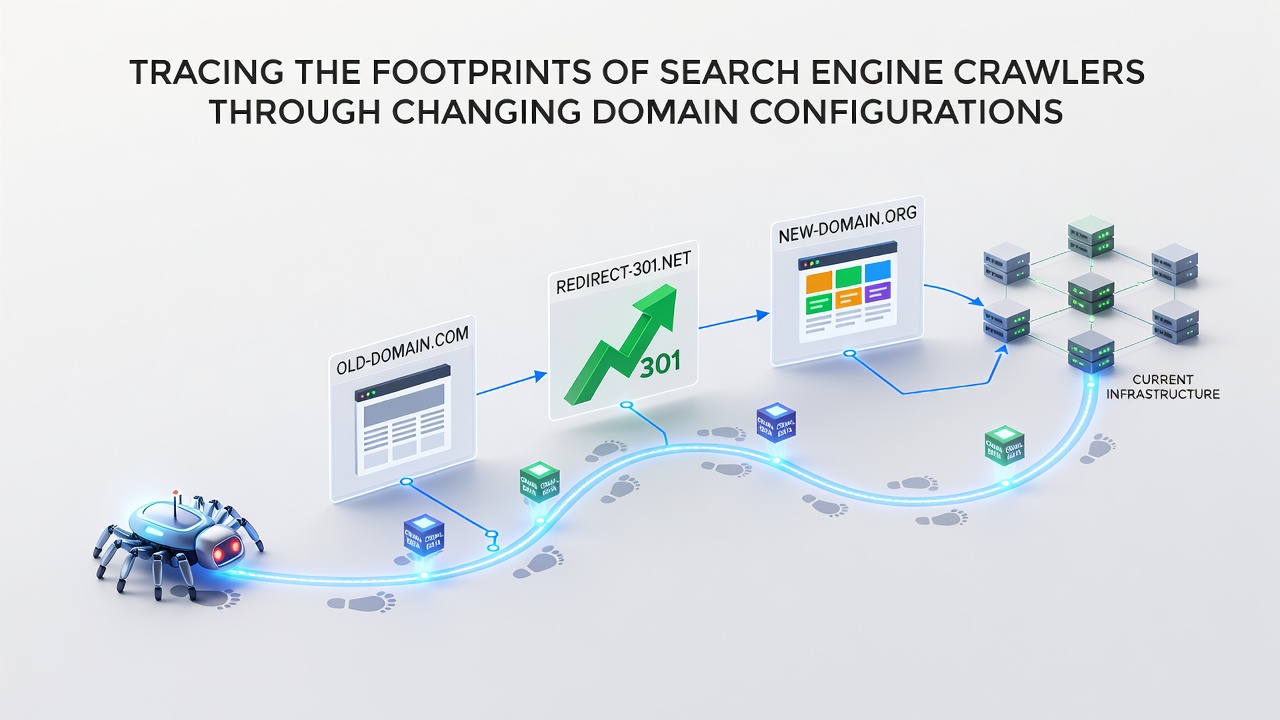
Researchers at academic institutions have tracked how crawlers handle canonical link elements and 301 redirects when a domain moves from one registrar to another. Data collected across multiple top-level domains indicates that consistent redirect chains preserve indexing signals more reliably than abrupt changes without proper headers. Those patterns appear in server logs as repeated requests to both source and destination hosts until the crawler settles on the final location.
DNS Propagation and Multi-Regional Effects
Global anycast networks and regional DNS resolvers introduce additional variables when configurations change. Crawlers operating from different geographic points of presence may resolve the same domain to varying IPs for several hours, creating staggered crawl spikes visible in analytics platforms. Figures from network monitoring services reveal that sites with lower TTL settings experience faster convergence, while longer TTLs extend the period of mixed signals.
Technical teams monitor these events through combined use of DNS query logs, web server access files, and search console data. One documented case involved a regional news site that updated its nameservers during a registrar move; crawler visits dropped temporarily in certain regions before recovering once propagation completed across all resolver caches. Similar observations appear in reports from European internet exchange points where latency differences between resolvers affect crawl timing.
Redirect Chains and Indexing Continuity
Long redirect chains increase the chance that crawlers encounter temporary errors or abandon deeper page discovery. Industry reports from organizations tracking web infrastructure show that chains exceeding three hops correlate with slower re-indexing of affected URLs. Site operators who maintain short, permanent redirects and update internal links promptly reduce the duration of these disruptions.
Search console tools provide direct visibility into how crawlers interpret new domain setups, including coverage reports that flag pages returning soft 404s or redirect loops after a configuration change. Data shared by operators in North America and Asia-Pacific regions indicates that early detection of these issues through log file analysis allows quicker remediation before indexing volume declines.
October 2026 Developments in Crawler Behavior
By October 2026 crawler protocols incorporated additional signals from DNS security extensions and certificate transparency logs, giving bots more context when domain ownership transfers. Updated documentation from search providers outlined expectations for handling CAA records and automated certificate renewal during migrations. Sites that aligned their configurations with these signals experienced fewer interruptions in crawl access according to aggregated telemetry shared at technical conferences.
Monitoring Practices and Log Analysis
Effective tracing relies on structured log parsing that isolates crawler user agents from other traffic. Analysts compare request timestamps against DNS change records to identify correlation windows where crawler behavior deviates from baseline patterns. External resources such as Google's crawler documentation supply user-agent strings and IP ranges that teams use to filter relevant entries.
Additional context comes from reports issued by the Internet Systems Consortium on resolver behavior and from university studies examining large-scale web graph dynamics after domain events. These sources help operators distinguish normal crawl variation from configuration-related anomalies.
Conclusion
Mapping crawler footprints through domain configuration changes requires attention to DNS timing, redirect implementation, and log correlation across multiple data sources. Patterns observed in server records and search console outputs provide measurable indicators of how bots adapt to new setups, allowing teams to maintain visibility during transitions. Continued alignment with evolving crawler expectations supports consistent indexing outcomes as domain infrastructures evolve.